
Emotional Eating vs. Physical Hunger: How to Tell the Difference
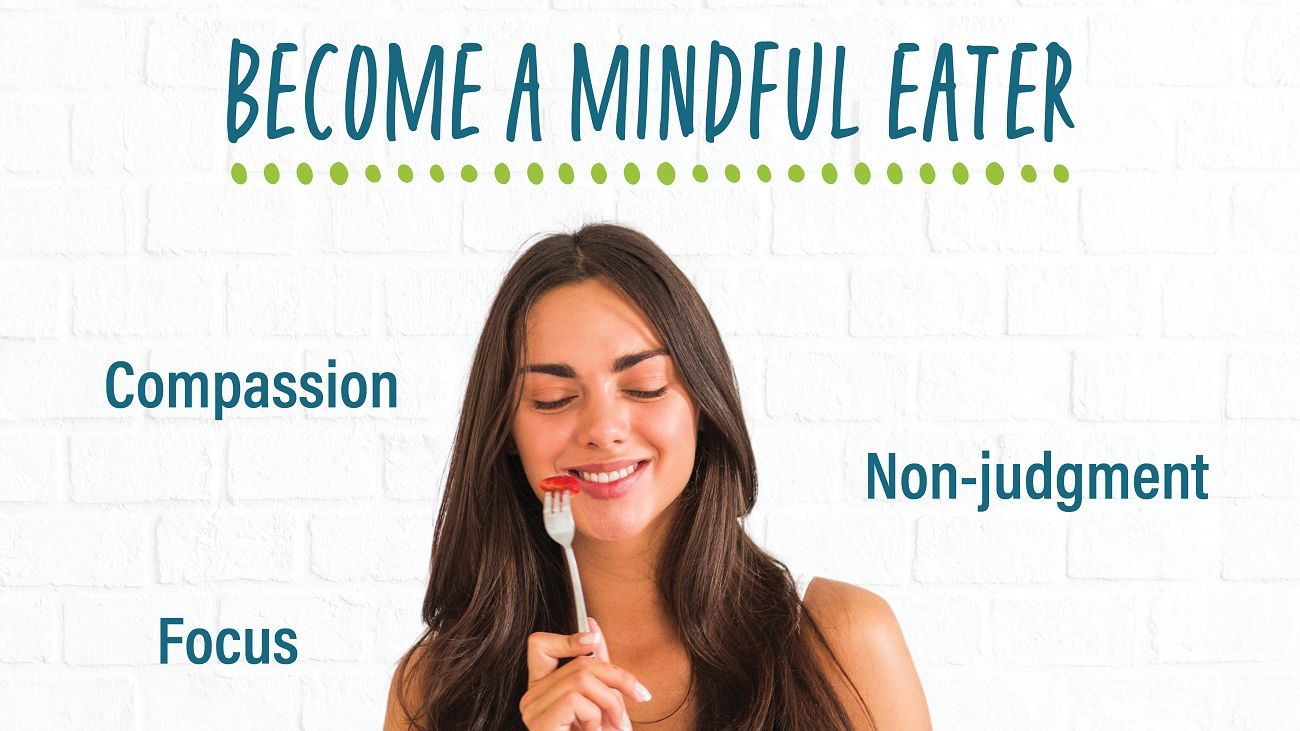
If you've struggled with weight your entire life, you've probably been told to "just eat less" or "have more willpower." But for many women, eating has never been just about food - it's been about comfort, stress relief, celebration, boredom, and survival.
That's where emotional eating comes in.
Understanding the difference between emotional hunger and physical hunger is one of the most powerful steps toward healing your relationship with food - without restriction, guilt, or self-blame.
Let's break it down.
What Is Physical Hunger?
Physical hunger is your body's biological signal that it needs nourishment. It's not a problem to fix - it's a message to respond to.
Physical hunger tends to:
- Build gradually over time
- Be felt in the body (stomach growling, low energy, headache, irritability)
- Be satisfied by a variety of foods
- Go away after eating enough
- Leave you feeling energized and content
When you honor your physical hunger consistently, your body learns it can trust you again.
What Is Emotional Hunger?
Emotional hunger comes from the mind and nervous system, not the body. It's often driven by emotions, stress, habits, or unmet needs.
Emotional hunger tends to:
- Come on suddenly or feels urgent
- Crave specific comfort foods (sugar, carbs, salty snacks)
- Feel like "I need this now"
- Persist even after eating
- Often lead to guilt, shame, or regret afterward
Emotional eating isn't a failure - it's a coping strategy that once served a purpose. The goal isn't to eliminate it, but to understand it.
Key Differences at a Glance
|
Physical Hunger |
Emotional Hunger |
|
Gradual |
Sudden |
|
Felt in the body |
Felt in the mind |
|
Open to many foods |
Craves specific foods |
|
Stops when full |
Often continues past fullness |
|
No guilt |
Often followed by shame |
How to Pause and Check in Before Eating
Before eating (especially when the urge feels strong), try asking yourself these gentle questions:
- When did I last eat a balanced meal?
- Skipping meals or under-eating can masquerade as emotional hunger.
- What am I feeling right now?
- Stress? Loneliness? Overwhelm? Fatigue?
- What do I actually need in this moment?
- Food, rest, comfort, connection, or a break?
- If I eat this, will it truly address what I'm feeling?
- Sometimes the answer is yes - and sometimes food is only part of the solution.
There is no "right" answer here - only information.
If It Is Emotional Hunger...
You don't need to white-knuckle your way through it.
Instead, expand your coping toolbox:
- Take 5 deep breaths to regulate your nervous system
- Go for a short walk or stretch
- Journal what you're feeling without judgement
- Reach out to someone you trust
- Ask yourself: "What would support me right now?"
And if you still choose to eat?
Do it intentionally, without shame. Guilt only reinforces the cycle.
Healing Emotional Eating Is Not About Control
For women with lifelong weight struggles, emotional eating is rarely about food - it's about safety, comfort, and regulation.
True healing happens when you:
- Eat enough consistently
- Support blood sugar and hormones
- Address stress and emotional needs
- Replace shame with curiosity
This is not a quick fix - it's a relationship rebuild.
Final Thought
If you've spent years feeling out of control around food, please know this:
You are not broken.
Your body and brain have been trying to protect you.
Learning the difference between emotional hunger and physical hunger isn't about perfection -
it's about awareness, compassion, and choice.
And that is where lasting change begins.
If you'd like some support walking through your emotional eating journey, let's talk. You can schedule your Discovery Call here.
