
Your Gut Isn't Just About Digestion - It's Your Body's Command Center
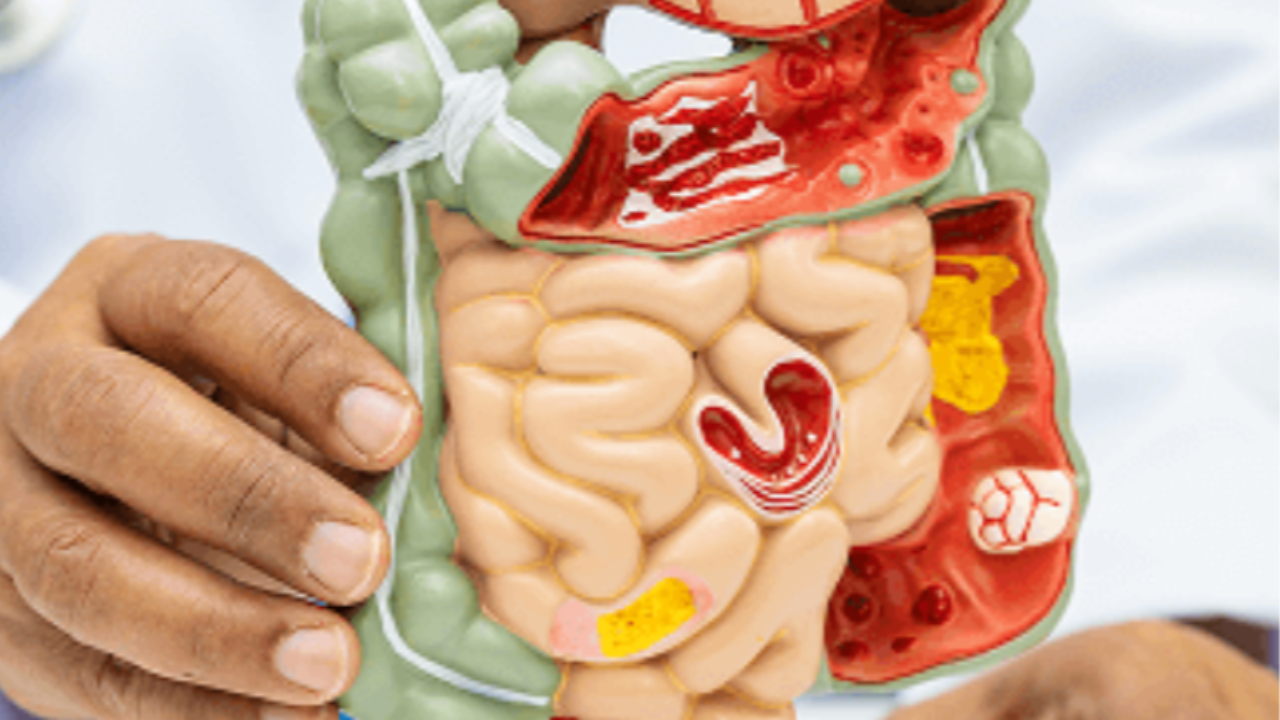
If you've ever felt like you're doing everything "right" - eating clean, moving your body, cutting calories - and still dealing with fatigue, stubborn weight, mood swings, or bloating that won't quit, there's a good chance the missing piece isn't willpower. It's your gut.
Your gut doesn't work in isolation. It's constantly communicating with your brain, your hormones, your immune system, and your metabolism. When it's balanced, those messages come through clean and steady. When it's inflamed or out of balance, the communication gets noisy - and that noise can show up as symptoms in places you'd never think to connect back to digestion.
Let's break down exactly how this works.
Your Gut Is the Body's Central Hub
Think of your gut as a command center, gathering information and sending instructions out through nerves, hormones, and immune signals. One of the biggest communication lines is the vagus nerve, which connects your gut directly to your brain. It carries messages both directions - about hunger, stress, mood, and even inflammation.
When your gut is calm and nourished, this two-way communication keeps your whole body working in sync. When it's irritated or inflamed, the messages get distorted, and that can affect everything from digestion and energy to mood and motivation.
In other words: gut balance is body-wide balance.
Energy: Why You Can Eat "Perfectly" and Still Feel Exhausted
Your body creates energy by converting food into a usable form called ATP - essentially your body's internal battery charge. But that process only works well if your gut is digesting and absorbing nutrients properly.
Nutrients like iron, magnesium, and B-vitamins are essential for energy production. If your gut lining is inflamed, or digestion isn't efficient, you may not be absorbing enough of these - even if your diet looks great on paper.
That's often where the mid-afternoon crash, the brain fog, or the constant "running on empty" feeling comes from. Repairing the gut and improving nutrient absorption can feel like flipping the power back on at a cellular level.
Hormones: The Gut-Hormone Connection
Your gut and your hormones are in constant conversation. Inside your gut lives a community of bacteria called the estrobolome, whose job is to help process and eliminate used estrogen. When digestion slows and elimination isn't regular, those hormones can recirculate instead of leaving the body - contributing to PMS, mood swings, bloating, or weight that won't budge no matter what you try.
The gut also interacts closely with your thyroid and stress hormones. High cortisol slows digestion, while a sluggish thyroid can reduce stomach acid and motility. It's a two-way street: hormones affect the gut, and the gut affects hormones. That's why real, lasting hormone balance often starts with supporting digestion first.
Mood: The Gut-Brain Axis
Your gut and brain are literally wired together through what's called the gut-brain axis. About 90% of your serotonin - your primary feel-good neurotransmitter - is actually produced in your gut, not your brain.
When your microbiome is balanced, serotonin production stays steady, supporting emotional resilience and a calmer state of mind. But when inflammation, dysbiosis, or chronic stress take hold, these chemical signals get disrupted - and you might feel more anxious, irritable, or low for reasons that seem to come out of nowhere.
Caring for your gut is caring for your mental and emotional wellbeing.
Immunity: Your Gut Is the First Line of Defense
Here's a fact that surprises most people: up to 70% of your immune system is located along your gut lining. That makes sense when you think about it - your gut is the first point of contact between your inner world and everything you eat and drink from the outside world.
Every meal is a learning opportunity for your immune system: what's safe, what's harmful, and when to react. When your gut barrier is strong, your immune system stays balanced. But when the barrier becomes "leaky" or inflamed, immune cells can get confused and overreact - showing up as allergies, sensitivities, or even autoimmune flare-ups.
When that barrier weakens, small particles that should stay inside the intestine can slip into the bloodstream. Your immune system recognizes them as invaders and responds with inflammation. A little inflammation here and there is normal - it's part of how your body heals. But when it becomes constant, it turns into chronic, low-grade inflammation that quietly drains your energy, shows up as joint stiffness, puffiness, or brain fog that just won't lift.
Strengthening and calming the gut helps the immune system find its balance again.
Picture Your Gut Like a River
One of my favorite ways to explain this: think of your gut like a river system - a living ecosystem that depends on steady flow and balance.
When the river runs clean and clear, nutrients and beneficial bacteria move freely, nourishing everything downstream. But when the current slows - from stress, poor diet, or not enough hydration - debris starts to build up. The once-clear water turns murky, and that imbalance ripples out to every connected stream: your energy, hormones, mood, and immune function.
The Takeaway
Your gut isn't just about digestion - it's the foundation for your overall health. When your gut is balanced, your energy improves, your hormones regulate, your mood steadies, and your immune system strengthens. Every system in your body feels the benefit.
If you've spent years blaming yourself for cravings, crashes or a body that won't cooperate no matter how "good" you're being, I want you to hear this: it was never just about willpower. Healing starts with the gut.
Ready to start restoring your gut health? Let's talk about what a GI Map - Gut Health Test can do for you.
