
Five Emotional Triggers That Have Nothing to Do With Food
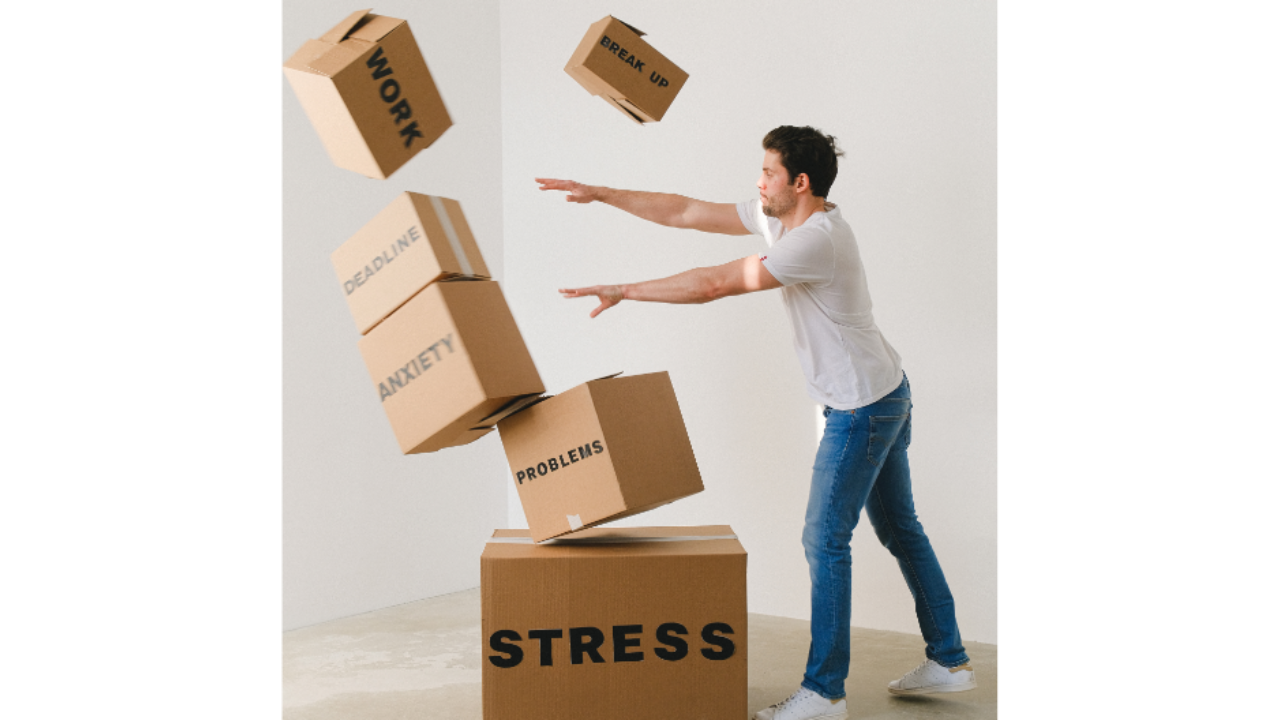
You're not eating because you're sad.
You're eating because you never learned what else to do when you're sad.
Let me say that again, because it's important: Emotional eating isn't the problem. It's the solution your body came up with when you didn't have other tools.
And until you understand what's actually triggering the eating - what emotional need you're trying to meet - you'll keep fighting the symptom instead of addressing the cause.
Today, I want to walk you through the five most common emotional triggers for eating. Not so you can avoid them (you can't), but so you can recognize what's really happening and start building other options.
Because here's the truth: You're not broken. You're brilliant. Your body found a way to cope with difficult emotions using the resources it had available.
Now let's expand your toolkit.
Trigger #1: Transition Stress (The 4pm Collapse)
What it looks like: You've been powering through your day. Meetings, deadlines, decisions. You're holding it together. And then suddenly, around 3 or 4pm, you hit a wall. You need something. Right now. You find yourself in the kitchen, hand in the snack drawer, eating before you even realized you walked there.
Or maybe it's the drive home from work. You stop for fast food even though you're planning to make dinner.
Or it's the weekend shift - you made it through the work week, and Friday night you find yourself eating everything in sight.
What's really happening: You're switching identities without tools for the transition.
At work, you're "professional you" - capable, controlled, on top of things. At home, you're "personal you" - tired, overwhelmed, touched out (if you have kids), or just...done.
The transition between these identities requires nervous system regulation. You need to discharge the stress of being "on" all day and downshift into "off." But if you don't have tools to do that consciously, your body does it unconsciously.
With food.
Food becomes the bridge between your work self and your home self. It's how you mark the transition. It's how you soothe the activation from the day.
Why food seems like the solution: Eating is regulating. It activates your parasympathetic nervous system (rest-and-digest mode). Chewing is calming. Swallowing is grounding. The act of eating brings you back into your body after being disconnected from it all day.
Plus, if you've been running on adrenaline and caffeine, your blood sugar is probably tanking by late afternoon, which creates real physiological cravings.
One alternative to try: Create a five-minute transition ritual that isn't food.
Change your clothes when you get home. Sit in your car for two minutes and do deep breathing before going inside. Take a short walk around the block. Splash cold water on your face. Do 30 seconds of humming (this activates your vagus nerve and signals safety).
The goal isn't to never eat during transitions. It's to give your nervous system other ways to downshift so food isn't your only option.
Trigger #2: Unexpressed Anger (Swallowing Your Words)
What it looks like: Someone says something that pisses you off, but you smile and say nothing. Your boss dumps more work on your plate when you're already drowning, but you say "no problem." Your partner does that thing again, and instead of addressing it, you go to the kitchen.
An hour later, you're eating with intensity - fast, almost aggressive. You might not even taste the food. You just need to put something in your mouth.
What's really happening: You're swallowing food instead of expressing anger.
Women, especially, are socialized to be nice, agreeable, accommodating. We're taught that anger is ugly, that expressing dissatisfaction makes us difficult, that setting boundaries makes us selfish.
So we swallow our words. We bite our tongues. We suppress the feelings that need to come out.
And then we eat.
There's a reason the phrase "bite your tongue" exists. When you can't express something with your mouth, your use your mouth to consume instead. The jaw that should be speaking gets redirected to chewing.
Why food seems like the solution: Eating gives you something to do with the energy that has nowhere to go. Anger creates physical activation - your jaw tightens, your chest constricts, your hands clench. Eating discharges some of that activation.
Crunchy, salty foods are especially common for unexpressed anger. There's something satisfying about the aggression of biting down hard on chips or pretzels.
Food also temporarily soothes the discomfort of unprocessed anger. It gives you a momentary feeling of relief, of being taken care of, when what you really need is to take care of yourself by speaking up.
One alternative to try: Let yourself be angry. Even if you can't express it in the moment, don't suppress it later.
Journal it out with no filter. Rant out loud in your car. Hit a pillow. Go for a run and imagine telling that person exactly what you wanted to say. Call a friend and let yourself complain.
Better yet: Practice actually expressing your needs and boundaries, even in small ways. Start with low-stakes situations. "I'd prefer if we..." or "That doesn't work for me" or even just "I need to think about it."
Your anger is information. It's telling you something needs to change. Listen to it instead of eating it.
Trigger #3: Anticipatory Anxiety (Eating Before the Hard Thing)
What it looks like: You have a difficult conversation coming up. Or a doctor's appointment. Or a presentation at work. Or you're meeting with someone who stresses you out. And in the hours (or days) before, you find yourself eating more. Grazing. Snacking mindlessly. You're not even particularly hungry, but you can't seem to stay out of the kitchen.
What's really happening: You're trying to create a sense of control when you feel powerless.
Anxiety is the feeling of uncertain threat. Your brain is scanning for danger and finding it everywhere. You don't know how the conversation will go. You don't know what the test results will say. You don't know if you'll get through the presentation without screwing up.
You can't control the outcome. But you can control what you eat.
Eating gives you something to do with your anxious energy. It gives you a sense of agency in a situation where you otherwise feel helpless. And it temporarily distracts you from the anticipatory dread.
Why food seems like the solution: Eating occupies your mind. When you're focusing on food - what to eat, how it tastes, whether you "should" be eating it - you're not thinking about the scary thing.
Eating also provides immediate gratification. Anxiety is all about the future - what might happen, what could go wrong. Food brings you into the present moment with immediate pleasure and sensation.
Plus, certain foods (especially carbs and sugar) temporarily reduce cortisol and increase serotonin, which literally calms your anxiety for a short time.
One alternative to try: Name the anxiety and address it directly.
Say out loud (or write down): "I'm anxious about X. That makes sense. It's a hard thing." Just naming it reduces its power.
Then do something that helps you feel more prepared and grounded:
- Overprepare if that helps (practice the presentation, write out what you want to say)
- Do a body-based anxiety release (shake it out, do jumping jacks, take a cold shower)
- Practice the worst-case scenario (really imagine it happening - usually it's not as catastrophic as the vague fear)
- Talk to someone about your anxiety instead of trying to manage it alone
You're not going to eliminate anticipatory anxiety. The goal is to process it instead of eating through it.
Trigger #4: Celebration Scarcity (Can't Experience Joy Without Food)
What it looks like: Something good happens, and your immediate thought is: "Let's celebrate with food!" You got through a hard day, finished a project, made it to Friday - time to eat. Every accomplishment, every milestone, every moment of joy gets marked with food.
But here's the thing: If you pay attention, you'll notice the celebration often feels obligatory. You're not actually enjoying the food that much. You're just going through the motions of what "celebrating" looks like.
What's really happening: Your life is starved of pleasure, and food is your only reliable source of dopamine.
Think about it: How much joy do you actually experience in a typical day? How often do you laugh? Play? Do something just for fun? Experience genuine delight?
For most women I work with, the answer is rarely. Life is work, responsibilities, taking care of everyone else, collapsing exhausted at the end of the day, then doing it all again.
Food becomes the one dependable source of pleasure. It's easy, it's fast, it's always available. It doesn't require energy you don't have or time you can't spare.
So you celebrate everything with food because food is the only celebration you know.
Why food seems like the solution: Food provides immediate dopamine. It's pleasurable, satisfying, something to look forward to. And in a life that feels like constant obligation, that hit of pleasure feels necessary.
Food also doesn't require anything from you. You don't have to plan it, coordinate schedules, spend money on activities, or have energy you don't have. It's pleasure on demand.
One alternative to try: Build other sources of pleasure into your life, even tiny ones.
Make a list of non-food things that bring you joy. Not "productive" things, not "self-care" things - actual JOY. Maybe it's listening to a favorite song, watching something funny, calling a friend who makes you laugh, dancing in your kitchen, spending time in nature, reading fiction, taking a bath with good lighting and music.
Then do one per day. Seriously. Schedule it if you have to.
When you have regular deposits of pleasure in your life, food stops being the only withdrawal you make.
And here's what happens: You'll still celebrate with food sometimes. But it will be a genuine celebration, not a desperate grab for the only pleasure available.
Trigger #5: Disconnection/Loneliness (Mistaking Emotional Hunger for Physical Hunger)
What it looks like: You're alone. Maybe physically alone at home, or alone in a crowd, or alone in your relationship. You feel empty. Restless. Like something is missing. You go to the kitchen, but nothing sounds good. You eat anyway. It doesn't satisfy. You eat more. Still empty.
What's really happening: You're lonely, and you're trying to fill the void with food.
Loneliness isn't just about being physically alone. It's about feeling unseen, unheard, disconnected. It's about going through life without meaningful connection, without someone truly getting you, without being witnessed in your full humanity.
And that feeling - that ache of disconnection - creates a sensation in your body that's very similar to hunger. An emptiness. A need to be filled.
Your brain knows that eating is connective. Historically, eating was a communal activity. Sharing food created bonds. Being fed was an act of love and care.
So when you feel disconnected, your brain reaches for food as an attempt to create connection, comfort, and care - even if it's just you, alone, in your kitchen.
Why food seems like the solution: Food is familiar. It's reliable. It's always there. It provides temporary fullness, temporary comfort, temporary soothing.
Eating also gives you something to do when you don't know what else to do with the uncomfortable feeling of loneliness. It's easier to eat than to sit with the ache.
And if you've been lonely for a long time, food might be the most consistent source of comfort you have.
One alternative to try: Reach out instead of reaching in.
Text someone and tell them you're struggling. Call a friend just to hear their voice. Post something vulnerable online and let people respond. Join an online community. Go somewhere public where there are people, even if you don't talk to them.
If reaching out feels too hard, do something that helps you feel connected to yourself:
- Write a letter to yourself with compassion
- Put your hand on your heart and say something kind
- Look at photos that remind you of times you feel connected
- Watch something that makes you feel less alone (a show that feels like a friend, a YouTuber who gets you)
The emptiness you feel isn't food hunger. It's soul hunger. You need connection, not calories.
Food will never satisfy that need, no matter how much you eat.
The Bigger Picture: Your Triggers Are Information
Here's what I want you to take away from all of this:
These triggers aren't problems to fix. They're information to pay attention to.
When you find yourself reaching for food, you're not being weak or undisciplined. You're responding to a real need - for regulation, for expression, for control, for pleasure, for connection.
The goal isn't to stop emotional eating entirely. The goal is to expand your options so food isn't your only tool.
Because here's what happens when you start addressing the actual triggers:
You don't have to use willpower to "resist" food. The urge to eat decreases naturally because the underlying need is being met in other ways.
You build self-trust. Every time you recognize a trigger and choose a tool that addresses it, you prove to yourself that you can handle difficult emotions without defaulting to food.
You become more connected to yourself. You start to understand what you actually need in any given moment, which is information you can use in every area of your life.
Emotional eating isn't the enemy. It's been your ally, helping you survive when you didn't have other options.
Now you're building those other options. One trigger at a time.
If you need some help building other options, reach out to me.
Until next time...Take Care of You!
